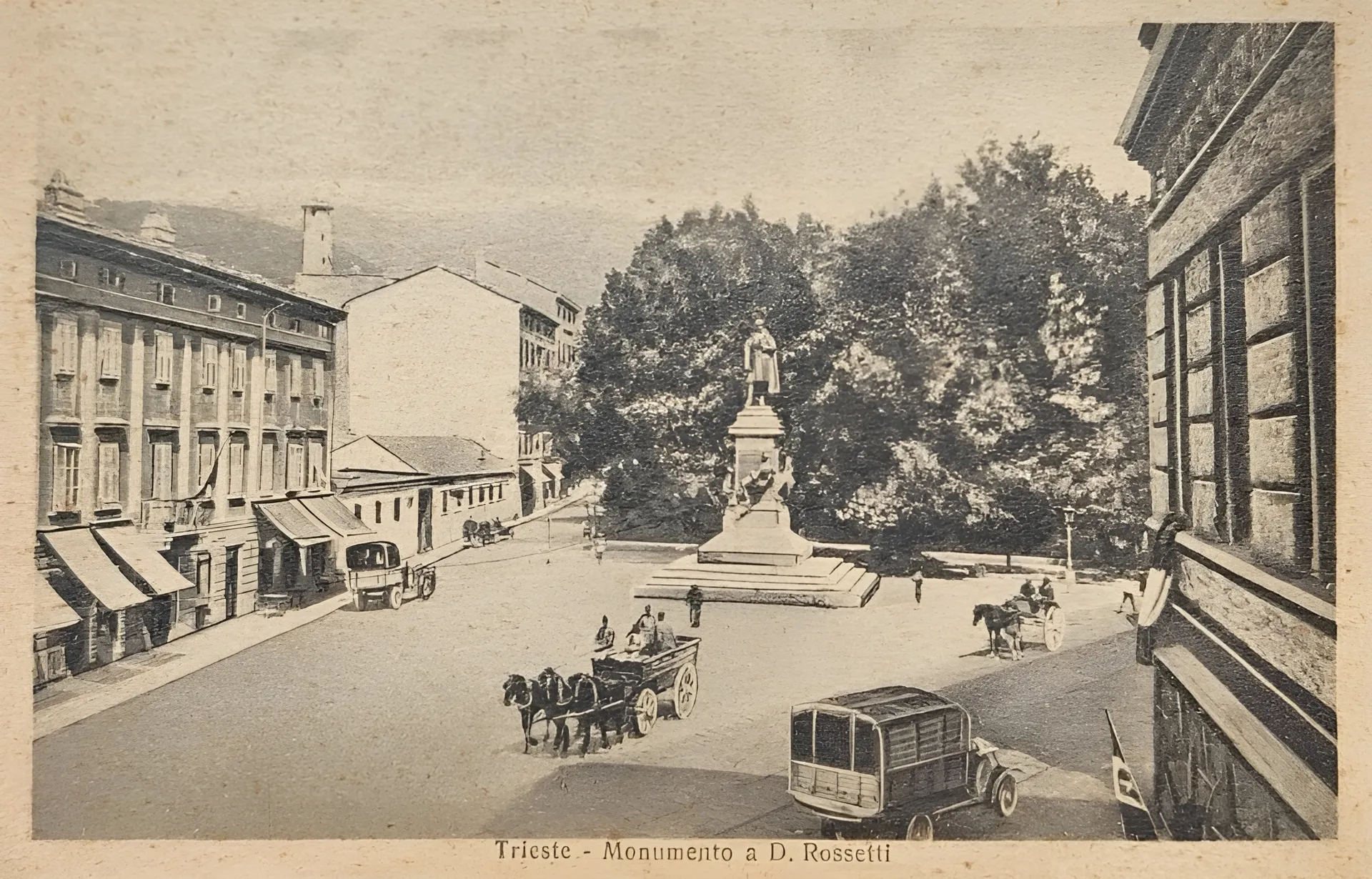
The Giardino Pubblico Muzio de Tommasini is one of the oldest and most beloved urban parks in Trieste, strongly linked to the figure of the podestà and botanico Muzio de Tommasini, who was its inspirer and promoter.
Historical context
The history of the garden begins in the first half of the XIX century, when the area was an uncultivated terrain belonging to the Benedictine nuns, called fondo delle monache.
- 1844: Muzio de Tommasini purchased these lands with the intention of building a church there.
- Over time his vision changed, embracing a more civic and verdant idea for the city.
- 1852: He issued a municipal notice with the project for the new park, which was to transform an area that had been little valued until then into an orderly place with flower beds, tree-lined avenues and rare plants, in stark contrast to the wild surrounding Carso nature.
Realization and green architecture
Work on creating the garden began in 1854 and the park was opened to the public in 1864, under municipal administration.
- In the meantime, the Starebrech watercourse that originally crossed the area was buried, allowing the creation of the streets Corsia Stadion and Corsia Giulia, which still delimit the area today.
- The garden presents itself as a green oasis in the heart of Trieste, with spaces dedicated to relaxation and leisure:
- Tree-lined paths and well-kept flower beds.
- Points of social interest such as bars, gazebos, a skating rink and a children's play area.
Periodo asburgico and early post-war period
In the Periodo asburgico, the garden represented a symbol of urban modernity and attention to the well-being of citizens, embodying enlightened values especially thanks to the figure of Tommasini who, in addition to being a prominent politician, was also a renowned botanico.
After the end of the Prima Guerra Mondiale and the passage of Trieste to Italy, the garden maintained its role as a green lung and place of social aggregation, albeit with the inevitable urban transformations that characterized the entire city in the XX century.
Relevant elements and subsequent transformations
Today inside it there is a square dedicated to the Trieste actress Ave Ninchi, named since 2013, as well as various services for visitors:
- The local police station.
- Recreational spaces like giant chess and ping pong tables.
The garden also enjoys a strong cultural and literary value, being mentioned in the famous novel La coscienza di Zeno by Italo Svevo, which has helped to link this space even more to the Trieste identity.
In summary
In summary, the Giardino Pubblico Muzio de Tommasini is a place of great historical, architectural and social value. Tommasini's project was able to combine nature, urban planning and culture, creating a symbol of urban greenery in Trieste that has traversed different eras while always maintaining a central role in city life.