Born from the Greek merchants of the Habsburg free port, the Fiera di San Nicolò is the true Christmas of Trieste's children: origins, the great 1923 move to Viale XX Settembre, and the traditions of gifts and Krampus.
From Charles VI to Sissi, from imperial bronzes to the Monument of the Dedication to Austria: the commemorative monuments of Trieste tell five centuries of Habsburg loyalty, civic pride and border identity.
On the hills and along the coast of Trieste, merchants, shipowners and Habsburg aristocrats built villas, parks and greenhouses. A journey through the residences that tell the rise of the nineteenth-century bourgeoisie.
From Matteo Pertsch to Pietro Nobile, from the Berlam dynasty to Enrico Nordio: the protagonists who turned a Habsburg port into the architectural gem we walk through today.
Three writers, one city: discover how Joyce, Svevo, and Saba turned Habsburg Trieste into the most extraordinary literary crossroads of twentieth-century Europe, amid historic cafés and decisive friendships.
From the funeral of Franz Ferdinand to the arrival of the destroyer Audace, the story of Trieste between 1914 and 1918: a multiethnic city suspended between two worlds, swept up by the Great War and forever transformed.
From medieval executions to imperial concerts, from reclaimed salt flats to Svevo's cafés: a journey through Trieste's historic squares and their role as stages of public life.
Trieste was the cradle of European insurance. From Assicurazioni Generali to RAS and Lloyd Adriatico, Trieste's companies reshaped the finances of the Habsburg Empire and left behind landmark buildings that still define the city's skyline.
A journey through the historic districts of Trieste, from the medieval Old Town to the boroughs built by the Habsburgs, to the twentieth-century transformations that shaped the city's identity.
The churches of Trieste tell a story of unique religious pluralism: Orthodox, Lutheran, Anglican, Jewish and Armenian communities have coexisted for centuries thanks to Habsburg tolerance.
After the Free Port declaration of 1719, Greeks, Serbs, Jews and Armenians transformed Trieste into a cosmopolitan city. Churches, palaces and legendary families: the story of the communities that shaped the city's identity.
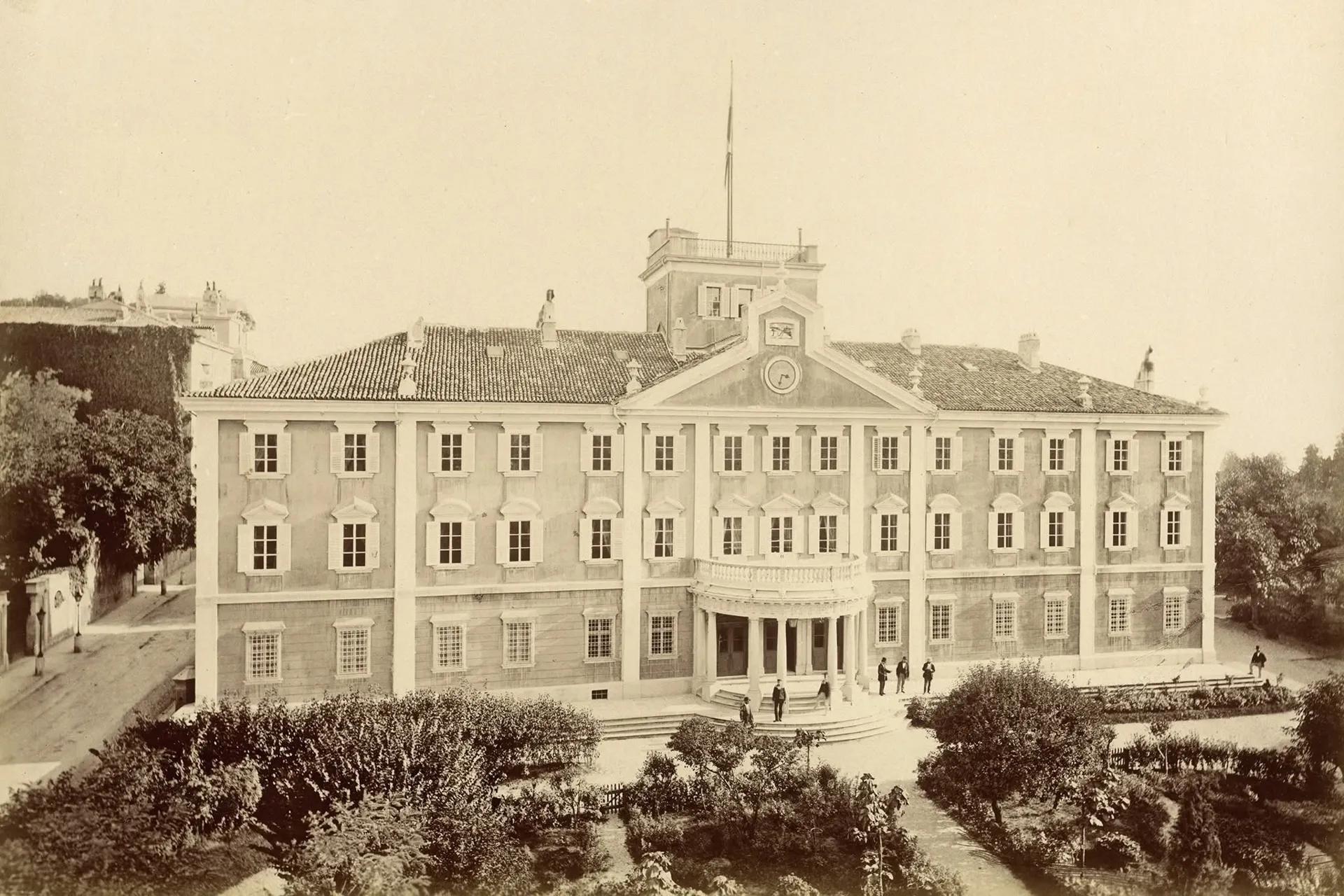
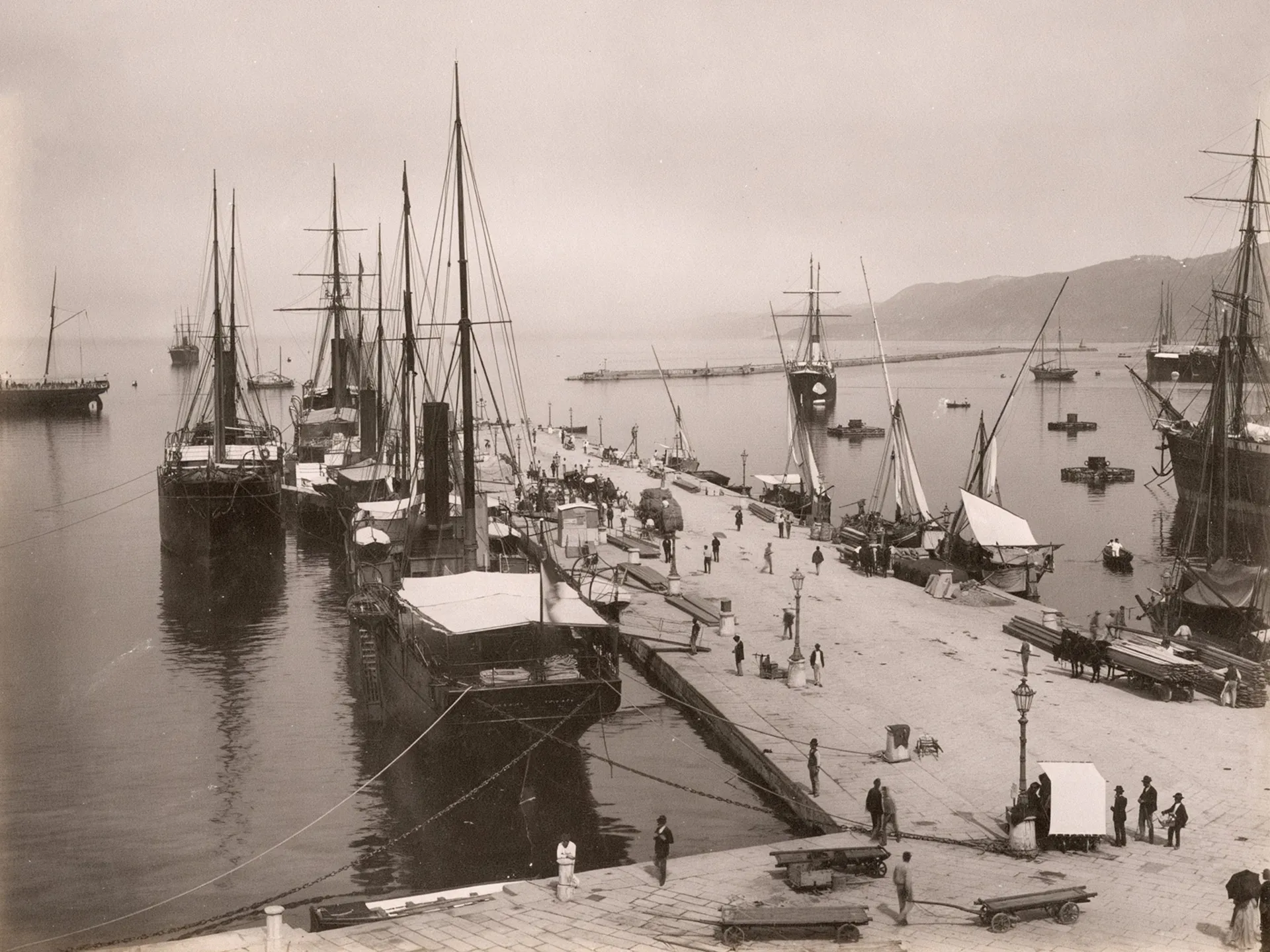
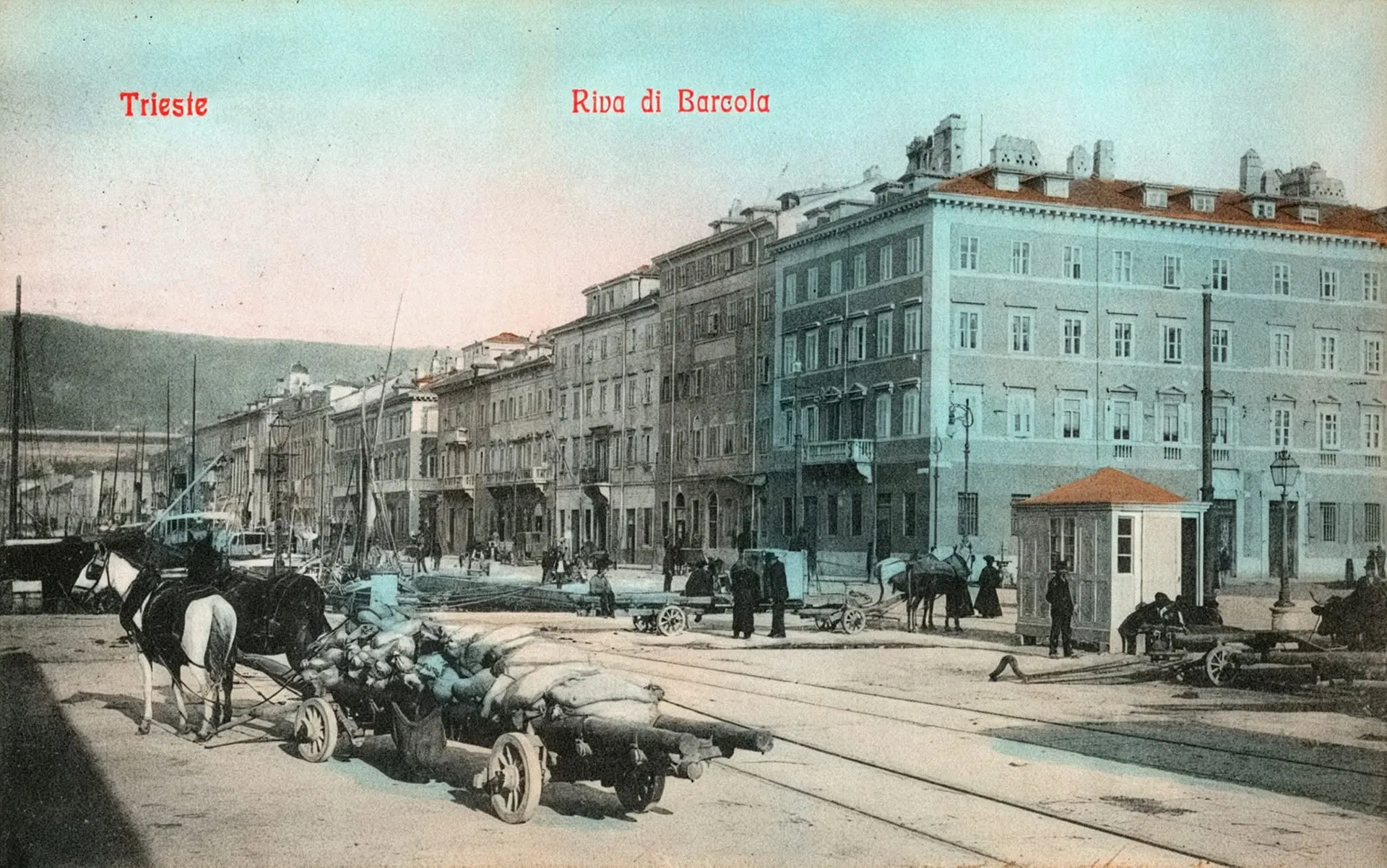
From Charles VI's free port to the Theresian and Josephine Boroughs: Trieste's extraordinary transformation from border outpost to cosmopolitan emporium of the Habsburg Empire.